Search This Blog

Monday, March 16, 2026

What’s in a Name? The Evolution of Mount Abu to Abu Raj.

 Mount Abu is transitioning to Abu Raj.

For a fortnight now, the winds across the Aravallis have been carrying a new sound. The news is out: Mount Abu is transitioning to Abu Raj.
Admittedly, I’ve hung on the horns of a dilemma. When a place’s name etches itself into your heart, seeing it rebranded feels like a shift in its very identity. What are the implications? Is it a return to roots or a loss of nostalgia?
The Alchemist’s Perspective. Amid weighing the pros and cons, I found clarity in the words of our very own Abu Alchemist. He shared a piece titled,A LEOPARD CANNOT CHANGE ITS SPOTS.”
I received an email that struck such a chord deep within me that I felt I couldn’t keep it to myself. It describes the poet and artist of this region with such profound depth and “magic” that it serves as more than just an announcement—it is a tribute.

More Than Just a Hill Station

Abu Raj isn’t just a dot on a map; it is the oasis of the desert land. It is a unique sanctuary of green in the rugged heart of Rajasthan.

“This isn’t just about a change on a signpost; it’s about the perpetual care and the poetic soul that defines these hills.”

A huge “Hats Off” is because of Dr Arun Sharma. His dedication to this petite, vibrant hill station in the Aravallis ensures that, whether we call it Mount Abu or Abu Raj, the magic remains untouched.

Final Thoughts

Names may grow, but the spirit of the place—the art, the poetry, and the misty mornings—remains constant. Perhaps “Abu Raj” is the next chapter in a very long, exquisite story.

What do you think of the change? Does “Abu Raj” capture the majesty of the hills, or will you always be a “Mount Abu” traditionalist? Let’s discuss in the comments!

 What’s in a name? A Tale of Abu.’ In the misty background, subtle golden text rises from the clouds: “ABU RAJ,” while a fainter, vanishing text “MOUNT ABU” integrates into the shadows of the valley below.

 
Per kind favour, Dr Arun Sharma, Mount Abu.

A LEOPARD CANNOT CHANGE ITS SPOTS

"The earth does not forgive / those who rename their sins /
 as if words could wash away / the blood on their hands."

While I Was Away (2021, excerpt adapted from his eco-critical
verse on desecrated landscapes

Three billion-year-old monarch wears a new, cheap crown,

While the "Emerald of the Desert" is stripped and beaten down.

The ink is barely dry on the decree of "Abu Raj,"

A semantic mask for a hollowed soul—a bureaucratic mirage.

"The road to hell is paved with good intentions," they say,

But here, the road is paved with the bones of the locals’ yesterday.

The Cosmetic Guillotine

They trade the symphony of the world for a "monastery of silence,"

An oxymoron of progress birthed from structural violence.

The British bit the tongue of the mountain, left it "Abu" and scarred,

But this new "Raj" is a half-measure, a renaming too small and too hard.

If you seek the sacred, summon the Arbudanchal of the Puranic deep,

Not a truncated brand that puts the economy to eternal sleep.

"Don't change the name of the river while the fish are thirsty,"

For a "vegetable pilgrimage" leaves the global traveler’s glass empty.

The Token Terror

Beneath the mist, a "well-oiled palm" breeds a concrete tumor,

While the ancestral cottage crumbles—a dark, systemic humor.

The "Eco-Sensitive Zone" is an Eco-Hypocritical Noose,

Where the giants roam free and the powerless have everything to lose.

It is the "Token Terror"—a bureaucratic guillotine’s blade,

Where "nature shrinks as capital grows," and the future is betrayed.

"Our house is on fire," but you’re rearranging the chairs,

Ignoring the smoke while the "powerless" offer their desperate prayers.

The Last Roar

"No one protects what they do not care about," the elders cry,

As the 3.3-billion-year-old titan watches the green forest die.

You cannot save the garden by strangling the gardener’s hand,

You cannot build a sanctuary on the shifting, exploited sand.

"A leopard cannot change its spots,"

Nor a name change the rot,

Give us dignity and safety, not a rebranding we never sought.

"The best time to plant a tree was twenty years ago,"

The second best time is now—before the final, fatal blow.

Stop the "Cosmetic Rename," end the "Selective Enforce,"

Or watch the "Emerald Crown" dissolve into a dry, silent corpse.

 (Per kind favour Dr A K Sharma)


Saturday, January 24, 2026

Mount Abu — “The Abode of the Gods” Freezes at–7°C

One of the harshest winter spells in decades.

Mount Abu, Last night(24 Jan 26) Tem -7C Per Kind favour Anil Babbar.

Wishing one and all a very Happy New Year 2026. 

May 2026 usher in peace, harmony, and hope for every soul.


January has begun with an icy statement in Mount Abu. Through the middle of the week, night temperatures hovered between 10°C and –3°C, already biting by local standards. But on the night of January 24, 2026, the mercury plunged to a bone-chilling minus 7°C, sending shockwaves through this gentle hill station of the Aravalis.

This reading is no ordinary cold spell—it is historic.

A temperature of–7°C ties Mount Abu’s most severe winter episodes on record:

January 2023, when the mercury last touched –7°C, breaking a 28-year-old January record.

December 19, 1986, which still holds the all-time lowest temperature ever recorded in Mount Abu at–7.4°C.

The Meteorological Department describes the current conditions as one of the “harshest winter phases” seen in decades. Ice lay thick across water bodies, parked vehicles, and vast open fields, while frozen dew draped the Aravali slopes in a shimmering white cloak—beautiful, silent, and unforgiving.

Yet, Mount Abu has lost the roaring tourist crowds it once attracted. Deepawali, New Year, and now January’s icy spell—all have come and gone without the usual boom. Even weekends, once bursting at the seams, have shown a noticeable dip in footfall.

Why this sudden hush in a town known for its festive chaos?

Perhaps the intense cold has kept many away. Or maybe the quiet is Mount Abu’s way of reclaiming its stillness—allowing its forests, hills, and frozen mornings to breathe once again.

For those who stayed back, braving the cold, Mount Abu revealed a rare side of itself: raw, serene, and timeless—a reminder that the Abode of the Gods can be as fierce as it is beautiful.


Thursday, November 20, 2025

Mount Abu’s weather forecast: November 2025

 Winter Arrives Early and Fierce. In the Abode of the Gods.


Mount Abu Abode of the Gods 

–2°C on November 18, Per kind favour, Anil Babbars' Den

 –6°C on November 19.

–2°C on November, 20Nov.


This year, every sign pointed toward an early winter in Mount Abu — and nature did not disappoint. Unseasonal, persistent rainfall through the late monsoon, coupled with the early arrival of migratory birds, hinted at a significant shift in seasonal patterns. Temperatures started falling before October's end, and by mid-November, the cold intensified.

For the first time in over a decade, November has witnessed temperatures plunging well below freezing. The temperature readings showed that Mount Abu was –2°C on November 18, then plummeted to –6°C on November 19. Consequently, the IMD announced a yellow alert for a cold wave in multiple Rajasthan districts, including Mount Abu.

What’s Behind This Intense Cold?

 The sharp drop results from a potent combination:

 Icy northwesterly winds are sweeping in from North India

 The broader climatic influence of La Niña, a global weather phenomenon known to intensify winter chills across the subcontinent

Together, these forces have turned Mount Abu into one of the coldest pockets of western India this season.

 The Frosty Illusion: No, It’s Not Snow

 Every winter brings the familiar flurry of viral posts and excited reports proclaiming:

  “Snowfall in Mount Abu!”

  “Abu turns white!”

 While these headlines make for irresistible tourism bait, the truth is simpler — and yet, no less magical. It does not snow in Mount Abu.

 What visitors see coating the fields and meadows in white is frostfrozen dew and moisture that crystallise overnight. By dawn, Mount Abu transforms into a glistening, snow-like wonderland. It’s a natural illusion that captures imaginations and camera lenses alike.

 This shimmering frost has become one of Abu’s most beloved winter charms, drawing tourists eager to experience the chill and photograph scenes that look as though they belong somewhere in the Himalayas.

  A Winter Filled With Warmth

 During these frosty mornings and crisp, echoing nights, Mount Abu feels both ancient and alive. Woollen caps, colourful mufflers, steaming cups of tea, and cheerful chatter appear everywhere. Winter does not visit here; it settles in with quiet dignity.

 In this Abode of the Gods, the frost glitters like snow, and warmth comes not just from bonfires, but from the generous spirit of the people who call this hill station home.

  A Thought to Ponder: What if it snowed?

 Pause for a moment and imagine the scene: real snowfall in Mount Abu.

The history it would make.

The frenzy it would trigger.

Tourism would skyrocket. Newspapers, TV channels, and social media would erupt with excitement. For Rajasthan, Mount Abu would shine like the Star of Bethlehem, guiding visitors from across the country to witness the miracle on the hill.

Until then, the frost will continue to work its quiet magic, turning Mount Abu into a winter spectacle of its own.


Wednesday, November 12, 2025

Mount Abu: A Letter to My Petite Hill Station

 The “Free” Mount Abu of Yesteryear.


Mount Abu.

Every hill station has its charm, but Mount Abu has something rarer—a soul. My earliest memories, my footsteps, my writing, and my identity all weave it. Long before tourists discovered it, long before traffic filled its winding roads, Abu was a quiet paradise perched above the plains—a little world of its own.
I often say that I didn’t just grow up in Mount Abu.

Mount Abu grew up inside me. This is my reflection on the Abu of yesterday, the Abu of today, and the Abu I carry within me always.


There was a time when Mount Abu felt like a place untouched by the world's noise. A small, tranquil hill station where mornings began with birdsong and evenings slipped into silence so deep you could hear the wind whisper through the pines.

Back then, Abu was not accessible. It was exclusive—not by design, but by nature. The British once used it as a summer retreat, a place to escape the desert heat. Even decades later, that exclusivity lingered in its air. There was dignity in Abu’s quietness, an understated elegance born from solitude.

Designating Mount Abu as a wildlife sanctuary in 1960 recognised its sacredness. The forests, teeming with wildlife; the clear, starlit nights; the serene slopes of the Aravallis—everything seemed in harmony. The stories of sages and ascetics, who once sought enlightenment here, felt believable.

Infrastructure was minimal, but that was its charm. A handful of hotels, a few restaurants, a market that closed early, and nature everywhere you looked. Visiting Abu in those days felt like entering a slower, more peaceful world—a world where every walk was a meditation, every sunset a gift.

That was the Mount Abu of my childhood.

free, gentle, intimate, and alive in its quietude.


Then the world changed—and with it, so did Abu.

From the 1980s onward, tourism in Rajasthan surged, and our little hill station became a magnet. Being the state’s only hill retreat, Abu attracted a rush of visitors seeking cool weather, greenery, and a break from city life.

And then all of a sudden, the crowds grew.

Hotels mushroomed.

Shops multiplied.

Roads filled with buses, cars, and honking horns.

Nakki Lake—once the heart of stillness—became a carnival.

Toad Rock transformed from a viewpoint into a queue.

Even the forests felt the strain as footfall, construction, and traffic nibbled at the sanctuary’s fragile edges.

Economic growth came, yes. Tourism provided livelihoods, opportunities, and a pulse to the local economy. But the delicate charm that made Abu special faded under the weight of development.

Despite everything, Mount Abu has not lost its soul.
It requires little effort to find.
Go early—before sunrise—to the forest trails.
Walk the quiet paths around Trevor’s Tank.
Take the lesser-known routes toward Salgaon Road or the hidden bends of Guru Shikhar’s slopes.

Sit by the lake in winter, when the migratory birds arrive with the morning light.
There, in those pockets, the old Abu still breathes.
Abu of mist and monsoon.
The Abu of banyans and boulders.
The Abu that raised me.
You just have to pause long enough to hear it.

 My Abu, Always

 Yes, Mount Abu has changed.
Yes, it is louder, busier, and more commercial than ever before.
But my love for this petite hill station is deeper than its changing skyline.
Memory, forest trails I’ve walked, birds I’ve watched, monsoons I’ve waited for, and the peace I’ve always found here root it—no matter how buried it may seem.
 Mount Abu is not just where I come from.

It is the heartbeat of my stories, the backdrop of my dreams, and the place that shaped the person I am.
And no matter how much it changes, one truth will always remain:
The Abu of my heart will never disappear.

“With deepest reverence and profound gratitude, we honour Dr A.K. Sharma,  whose vision and tireless efforts transformed Mount Abu into a serene Echo-Sensitive Zone, safeguarding its natural tranquillity for all time.”, 

Wednesday, June 25, 2025

Mount Abu Faces Nature’s Wrath:[ 22 June 2025.]

 A Stormy Prelude to the Monsoon Season.

The year 2025 has been a rollercoaster of climatic irregularities for Mount Abu. The erratic weather patterns, which continued until May, disturbed the community and ecosystem. However, June brought a nostalgic return to the past when the monsoon season would announce its arrival mid-month.

This year, the monsoon arrived with dramatic flair in the early hours of June 22. At 2:30 a.m., the skies darkened, and a symphony of thunder heralded the downpour that would transform the landscape. Torrential rain lashed Mount Abu until 6:15 a.m., recording an astounding 181.4 mm (7 inches) of rainfall.

Dormant streams came alive, roaring through the ravines, while gardens and parks surrendered to the deluge. The once-dry waterways of Abu surged back to life, a powerful reminder of nature’s resilience and unpredictability.

Paddy’s Bridge Under Siege

For those acquainted with the iconic Paddy’s Bridge, the storm revealed nature’s raw power. Snaps forwarded via WhatsApp showcase the bridge, overwhelmed by the gushing torrents. These images, a testament to the rain gods’ fury, underscore the need for vigilance in the face of mounting environmental challenges.

Paddy's Bridge, 22 June 2025, per kind favour, Raman 

Paddy's Bridge, 22 June 2025, per kind favour, Raman

Paddy's Bridge, 22 June 2025, per kind favour, Raman


WhatsApp Video 2025-06-23 at 11.01.08 AM.mp4
Per kind favour, Raman.


WhatsApp Video 2025-06-23 at 11.01.08 AM.mp4


WhatsApp Video 2025-06-23 at 11.01.08 AM (2).mp4

A Call for Action

Charles Guide, a local activist dedicated to Mount Abu’s betterment, pushed for crucial infrastructure upgrades. Addressing officials in a meeting at the Mount Abu Trevor’s Oval Municipal Library, Charles emphasised the urgent need for improved roads and toilet facilities. With thousands of tourists flocking to this lone hill station in Rajasthan each year, such upgrades are not just necessary—they are imperative.

His speech, recorded on video, serves as a powerful incentive to safeguard and boost Mount Abu's appeal while bracing for upcoming difficulties.

To witness Charles’ address, click on the link below.


Reflections and the Road Ahead


As we grapple with the effects of climate change and erratic weather patterns, Mount Abu’s experience this June serves as a stark reminder of nature’s unpredictability. The monsoon’s arrival, both a blessing and a challenge, reinforces the importance of community efforts and governmental action in adapting to these shifts.

Let’s hope the efforts of individuals like Charles Guide inspire swift and meaningful changes to safeguard Mount Abu’s future while ensuring it remains a haven for both residents and visitors.
Flash News
There was an immediate response from local authorities. Following damage from rushing water on June 22, 2025, local authorities swiftly restored the landmark Paddy's Bridge.

Paddy's bridge restored 


Monday, May 12, 2025

Shifting Weather Patterns in Mount Abu 2025:

 Where Has Summer Gone?

Mount Abu in May 2025.

May has always been synonymous with blistering heat in Mount Abu—a time when the sun dominates the day, and the nights offer relief. Yet, 2025 brought an unexpected twist to this well-worn narrative.

May’s first ten days resembled the pre-monsoon season, featuring intermittent rain, thunderstorms, and even hail. Strong breezes, accompanying persistent nighttime storms, resulted in pleasant daytime temperatures. The drop in nighttime temperature was even more significant, making Abuites feel as if they were experiencing a cool summer night’s dream.

While early May in Mount Abu is historically dry and sunny, 2025 has shown a significant change in unstable weather patterns. This unexpected shift has thrown both the community and the ecosystem into disarray. A disruption in the natural seasonal cycle is evident in the behaviour of birds, bees, and trees.

May’s cool weather in Mount Abu is unprecedented in living memory. The contrast is clear if you think back to **Mount Abu’s Hottest May**, a scorching reminder of summer’s intensity. 

Despite being a boon to Mount Abu’s residents, this cool spell has a mixed impact. The damp undergrowth will reduce the risk of spontaneous forest fires, a perennial concern for this hill station. However, the same rains could spell disaster for farmers whose crops rely on the predictability of seasonal weather.

Meteorologists predict a return to harrowing summer heat soon. Whether this cooler interlude becomes a recurring trend or remains an anomaly, it highlights the unpredictable nature of weather patterns in our times.

 Mount Abu’s Blackouts Amid Rising Tensions in the Subcontinent.

Turbulent events unfolding in the region have overshadowed the tranquillity of Mount Abu’s weather. On April 22, 2025, in Indian-administered Kashmir near Pahalgam,  a tragedy claimed the lives of 26 Hindu tourist civilians. The brutal attack has plunged the nation into grief and sparked international alarm.

In response, India launched "Operation Sindor" on May 6, targeting alleged militant sites in Pakistan and Pakistan-administered Jammu and Kashmir. These operations mark the most significant escalation between the two nuclear-armed neighbours since the 2019 Pulwama attack.

The tension has been palpable, with fears of a broader military conflict looming large. As part of precautionary measures, Mount Abu observed blackouts on the nights of May 9 and 10. These blackouts, reminiscent of wartime protocols, serve as a sobering reminder of the volatile reality beyond our serene hills.

For many in Mount Abu, this marks the first such event since 1965, a poignant echo of a bygone era. Thankfully, cooler heads have prevailed, with both nations announcing a ceasefire. Let us hope this fragile peace holds, allowing us to refocus on preserving and enjoying the rare gifts of nature that this season has brought us.


Wednesday, May 07, 2025

Mount Abu Renaming Controversy: A Brewing Debate

  Mount Abu Renaming Controversy: What’s at Stake?


Mount Abu City and Nakki Lake

Nestled in the Aravalli Range, Mount AbuRajasthan’s one and only hill station—is the focus of intense dispute. The state government’s proposal to rename it “Abu Raj Tirth,” coupled with discussions of banning alcohol and non-vegetarian food, has sparked protests among those in the tourism sector. Critics raise concerns about the political agenda driving the move, emphasising its economic and social ramifications.

Legends and spirituality permeate Mount Abu, which was historically known as Arbuda or Arbudaranya. The new name emphasises its religious identity, referencing ancient temples and pilgrimage significance. However, locals fear the shift could alienate the region’s diverse tourist base.

Tourism drives Mount Abu’s economy, supporting 15,000 livelihoods and drawing 5,000–6,000 visitors daily. Renaming, along with lifestyle restrictions, could deter leisure tourists, risking a sharp economic downturn for the community.

This controversy underscores the delicate balance between preserving cultural heritage and sustaining livelihoods in a tourism-reliant region.

Timing the proposal, with elections on the horizon, suggests political motivations aimed at appealing to specific voter bases. A name change may enhance cultural identity; however, it risks transforming Mount Abu from a well-loved hill station to a religious site only, potentially damaging its tourism-dependent economy.

The government faces a critical decision: balance political goals with the livelihood and cultural identity of Mount Abu. 

Sunday, February 09, 2025

MOUNT ABU SANCTUARY FOREST PERMISSION: A GUIDE FOR VISITORS

 "Navigating Forest Entry: Your Guide to Mount Abu Sanctuary Permissions"

Mount Abu Wildlife Sanctuary

The Mount Abu Sanctuary, a haven for wildlife and nature enthusiasts, operates under strict regulations to preserve its delicate ecosystem. The Wildlife Protection Act of India governs entry into the sanctuary, which mandates getting a “wildlife permit” from the relevant state Forest Department. Here’s everything you need to know about securing permission and making the most of your visit.

Initiation of the Forest Permission System

The exact date of implementation of the forest permission system in Mount Abu Sanctuary is unclear. However, it was implemented to manage the increasing number of tourists and to control potential activities within the sanctuary’s delicate ecosystem. This system ensures that human interaction with the forest remains sustainable and respectful.

Getting Permits in Mount Abu

Visitors can get permits from the Forest Department office in Mount Abu. The primary outlets for obtaining these permits are:

Forest Range Office on Sunset Road


The following categories apply to permits:

Students: INR 55
Students: INR 55

Indian Tourists: INR 145

Foreign Nationals: INR 550
Indian Tourists: INR 145


Note: Request receipts and additional details from the office. Someone like Charles can be a valuable source of knowledge and help.

Important Information to Request

When visiting the Forest Department office, be sure to ask about:

Sanctuary timings: These may vary based on the season and other factors.

For details on fines for unauthorised entry and wildlife feeding, please ask. Severe consequences for visitors and wildlife result from such prohibited actions.

Sanctuary Timings and Rules

Timings for the sanctuary may depend on seasonal conditions. Check with the Forest Department for the most accurate and updated information before your visit.

Do’s and Don’ts in Mount Abu Sanctuary

Following these guidelines ensures a safe and enjoyable experience for visitors while minimising environmental impact:

Do’s:

Carry water: Staying hydrated is crucial, especially in warmer months.

Wear appropriate clothing: Comfortable and sturdy footwear is a must for forest trails. Dress in layers to adapt to changing weather.

Inform someone of your plans: Share your itinerary with a friend or family member.

Respect local culture: Be mindful of the customs and traditions of Mount Abu’s local communities.

Don’ts:

Enter restricted areas: Avoid venturing into prohibited zones.

Leave the designated trails: Stick to marked paths to protect the habitat and avoid getting lost.

Use flash photography: Flash can startle wildlife and disrupt their behaviour.

Play loud music: Noise can disturb both animals and other visitors.

Collect souvenirs: Do not remove natural items such as plants, rocks, or animal remains from the sanctuary.

By adhering to these regulations and showing respect for Mount Abu Sanctuary’s unique environment, visitors can enjoy a memorable experience while contributing to conserving its natural beauty for generations to come.


Friday, December 27, 2024

Winter Festival Sharad Mahotsav 2024 in Mount Abu:

 Mount Abu’s Cultural Extravaganza: Winter Festival.


Invitation to the Winter Festival, Mount Abu
Per Kind favour Saurabh Gangadia

Mount Abu panoramic view 

Mount Abu  snapped from Gurushikar 

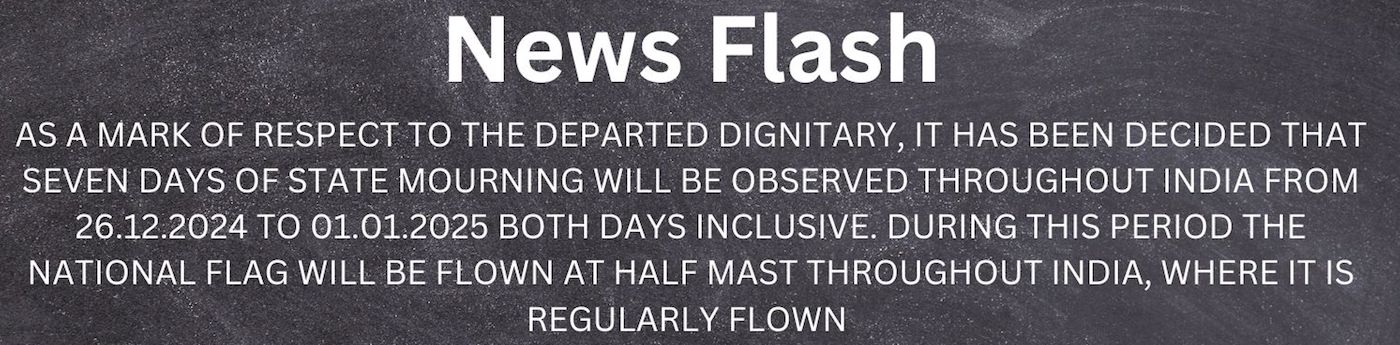
News Flash

Manmohan Singh News LIVE | National Mourning For 7 Days | Manmohan Singh Death News LIVE.

        PLEASE NOTE:
Winter Festival Sharad Mahotsav 2024 in Mount Abu has been called OFF! As of today!

Join us for a cultural winter celebration.

Looking for the perfect way to celebrate the holiday season? Experience the charm of Mount Abu, Rajasthan’s hill station, at the Sharad Mahotsav 2024 Winter Festival, a captivating blend of culture, nature, and festive spirit. 

Mount Abu: Your ideal winter destination. Here’s why. 

Nestled in the heart of Rajasthan, Mount Abu offers an idyllic retreat from the hustle and bustle of everyday life. With crisp, frosty weather, this lone hill station in the desert makes for a magical end-of-year winter wonderland holiday. Forecasts for this season predict a cold week in the lead-up to New Year's Day, making it perfect for cosy celebrations set against a backdrop of serene lakes and abundant greenery. 

The Winter Festival: A Spectacle of Culture and Joy

Mark your calendar—December 29, 2024, marks the start of the much-anticipated Winter Festival in Mount Abu. Get ready for a grand celebration showcasing the diverse cultures of Rajasthan and beyond, including:

 Mesmerising Performances: Talented musicians and dancers nationwide will take centre stage, clad in stunning traditional attire and accessories. Picture the soulful strains of the shehnai welcoming you as you immerse yourself in the rhythm of folk dances and melodies. 

 A Feast for the Senses: Indulge in the rich flavours of Rajasthani cuisine and explore stalls featuring local handicrafts, offering the perfect mementoes to take home. 

The festival boasts family-friendly fun, with cultural displays and engaging activities for all ages. 

Mount Abu: More Than a Festival

Beyond the festival, Mount Abu itself is a treasure trove of natural beauty and cultural heritage. Visit: 

Guru Shikhar, the highest point in Rajasthan, offers panoramic views of the Aravalli range. 

  The tranquil Nakki Lake is perfect for a leisurely boat ride. 

The awe-inspiring Dilwara Temples, a testament to exquisite marble craftsmanship. 

A Chilly Welcome to the New Year 

Whether you’re dancing to folk tunes under the stars, savouring warm delicacies, or soaking in the serene winter atmosphere, Mount Abu’s Winter Festival is the perfect way to end 2024 and welcome 2025. 

Don’t miss this opportunity to create magical memories—head to Mount Abu and let the Winter Festival, Sharad Mahotsav, be your gateway to the holiday season. 

Daily Events from 29 to 31 Dec 2024

Winter Festival Programme per Kind favour Saurabh Gangadia

The organisers will host the main events of the Winter Festival at the.

POLO GROUND

Polo Grounds snapped via Google Earth.

Before I wind off my post, I wish all my viewers Compliments of the season and Cheers to the New Year.

HAPPY NEW YEAR FOLKS 
WISH YOU A STRESS-FREE AND HEALTHY YEAR,.


Sunday, November 24, 2024

Welcome to a Cold and Chilly Mount Abu!

 Welcome to Mount Abu, where it’s cold and chilly!


"WELCOME TO A COLD AND Chilly MT ABU, where the night temperature hovers around 0 C."
WELCOME TO A COLD AND CHILLY MT ABU

Winter has arrived early this year in Mount Abu, bringing its signature chill to our serene hill station. The residents, known as Abuites, experienced the unmistakable signs of the season’s arrival by the end of October.
Day temperatures have remained pleasant, perfect for those daytime strolls, while nights have started turning colder. This November, the thermometer confirmed winter’s arrival. On the 14th, the mercury dipped to 5°C, and since then, night temperatures have descended toward the zero-degree mark. For the past week, nights have hovered around freezing, with whispers of frost on the horizon.

"Embracing the Winter Chill in November Mount Abu, a colage of the temperature readings."
Embracing the Winter Chill in November Mount Abu

During the day, temperatures are cool, hovering between 15–20°C, but as the evening arrives, they dip below 10°C, making cosy sweaters and warm drinks a necessity. Expect temperatures to drop to -3°C during the first week of December, so get ready for the cold. As the cold intensifies, frost will transform Mount Abu into a breathtaking winter wonderland.
For visitors and locals alike, winter in Mount Abu offers a magical experience. This season offers perfect opportunities to explore nature, whether you’re trekking through misty trails, marvelling at frosty landscapes, or relaxing by a fire. So bundle up and embrace the chill. – winter here is not just a season; it’s a celebration!

Sunday, May 26, 2024

Mount Abu Burns Under an Unrelenting Sun [ 26/05/2024]

 IMD issues a red alert for the next five days throughout North India


"Weather forecast on the phone for Mount Abu"
Weather forecast on the phone for Mount Abu

 Mount Abu, long known as a cool refuge from the fierce Indian summer, is today grappling with the heat of a kind few can remember. The hills, once a beloved retreat from the plains, now seem like another casualty of this harsh season.

This summer has been one of the hottest in recent memory, with temperatures climbing to a blistering 43°C in the region. The India Meteorological Department has issued a red alert for the next five days across large parts of North India, warning of severe heatwave conditions and temperatures that may soar beyond 47°C in several places. Rajasthan, Punjab, Haryana, Chandigarh, Delhi, and adjoining regions are all in the path of this dangerous spell.

 A Harsh Toll on Nature and Daily Life

 The heat is not uncomfortable. It is brutal.

 It is leaving its mark on the land, on people, and on wildlife. There are distressing reports of birds succumbing to the sun's intensity. Labourers, forced to work under a burning sky, are exhausted. Power cuts only deepen the misery, especially for older adults, children, and those already struggling to keep cool and safe.

Water scarcity, too, continues to compound the crisis. The crisis has forced schools to shut their doors and has thrown daily life into disarray. What should have been the familiar rhythm of summer has instead become a season of strain, anxiety, and endurance.

 A heatwave with wider consequences

This is not an isolated weather event. The heatwave, which began in mid-May, is already casting its shadow far beyond the thermometer. Experts predict it will affect food prices, water availability, and even the political climate in the days ahead.

 We recorded 2023 as the warmest year in 122 years, and the lingering impact of El Niño still seems to grip this summer fiercely. Even as that pattern weakens, its aftereffects appear to have left the atmosphere primed for extremes.

 Even our devices are protesting

 The heat has become so intense that it is affecting not just people and wildlife, but our machines as well.

 While writing this very blog, my phone began issuing alarming warnings: “Phone overheating.” At one point, it even threatened to shut down in 20 seconds. Google, too, has flashed similar alerts. It is a strange and unsettling reminder that the heat has become powerful enough to overwhelm even the small devices we rely on every day
"Warning on the phone Google closed ,DUE TO OVERHEATING."
Warning on the phone, Google closed 

 What Lies Ahead?

 As this scorching summer continues, one question hangs in the air: how much more can we endure?

 What will these record-breaking temperatures mean for public health, water security, and the well-being of ordinary citizens? When will we stop viewing each summer as an annoyance and start seeing it for the growing environmental warning it is?
The coming days are likely to remain difficult. In such times, caution is essential. It's important to drink enough water, reduce sun exposure, spend most of your time inside, and check on those most susceptible.

Mount Abu may still be the hill station we love, but this summer has shown us something stark and troubling: even paradise is not immune to the heat.